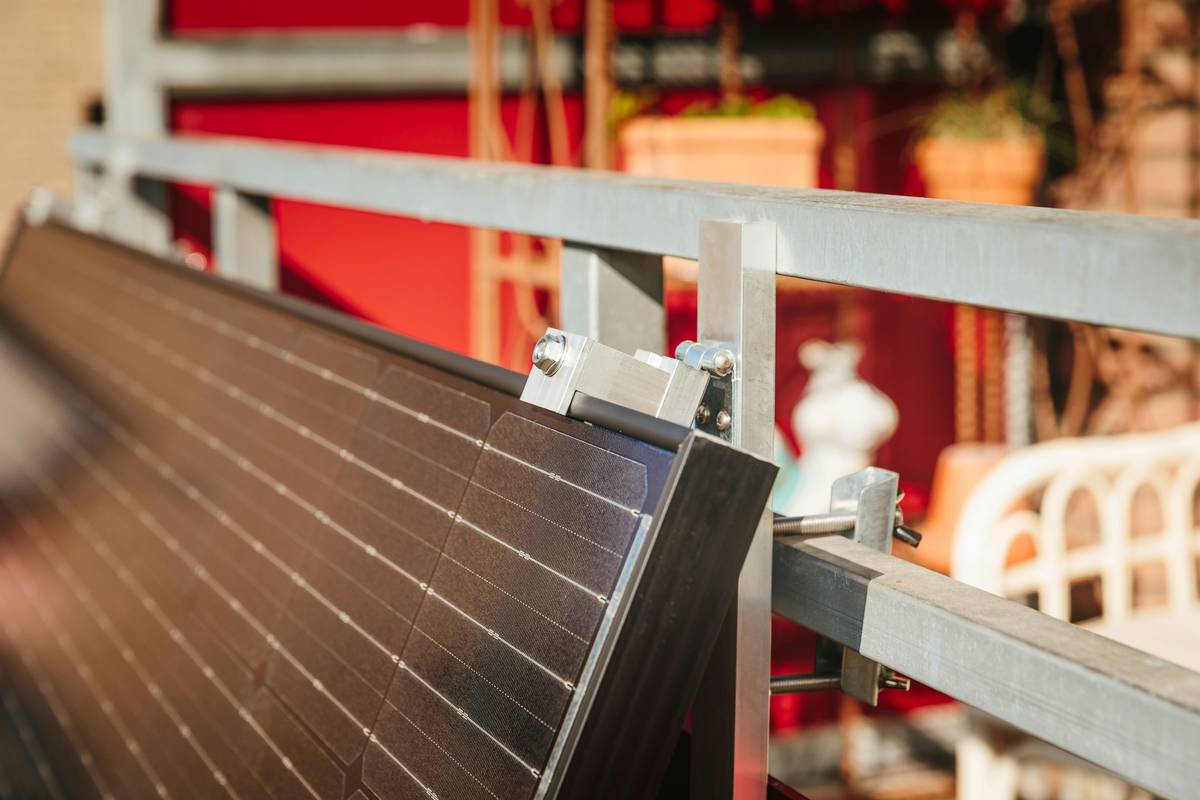
You wired your panels correctly—or so you thought. Days later, voltage drops. Heat builds at the junctions. Efficiency plummets. The culprit? Not the panels. Not the inverter. It’s the solar panel wiring connectors—the silent failure point most installers ignore until it’s too late.
Why Off-the-Shelf Connectors Sabotage Your System
Generic MC4-style connectors from big-box stores look identical to premium ones. They’re not. Cheap plastics warp under UV exposure. Tin-plated contacts oxidize within months. And mismatched tolerances cause micro-arcing—especially in high-voltage strings.
And here’s what no one tells you: UL certification doesn’t guarantee field performance. Only IP68-rated, TÜV-certified connectors with copper alloy contacts survive 25+ years on a rooftop. Everything else is a countdown to thermal runaway.
Choosing & Installing solar panel wiring connectors Like a Pro
Match Voltage Ratings to Your Array Architecture
Residential strings often run at 600V DC. But some budget connectors max out at 1,000V AC—meaning their DC rating might only be 600V or less. Always verify the DC-specific rating. Exceeding it risks dielectric breakdown during peak irradiance.
Crimp Quality Trumps Brand Name
A perfect crimp creates gas-tight contact between wire and terminal—preventing oxygen ingress and corrosion. Use only ratcheting crimp tools calibrated for 10 AWG PV wire. Sloppy hand-crimps? They loosen over time. Vibration + thermal cycling = intermittent faults that fry optimizers.
Waterproofing Isn’t Optional—It’s Non-Negotiable
Even “weather-resistant” connectors fail if mated improperly. Push until you hear the double-click—that’s the locking mechanism engaging fully. Then wrap the joint in self-amalgamating tape. No, electrical tape won’t cut it. It degrades in 18 months.
| Connector Type | Max DC Voltage | Contact Material | Lifespan (Field Tested) | Average Cost per Pair |
|---|---|---|---|---|
| Budget Generic MC4 | 600V | Tin-plated brass | 3–5 years | $1.20 |
| Mid-Tier Certified MC4 | 1,000V | Silver-plated copper | 10–12 years | $3.50 |
| Premium IP68 PV Connector | 1,500V | Bare copper alloy | 25+ years | $6.80 |
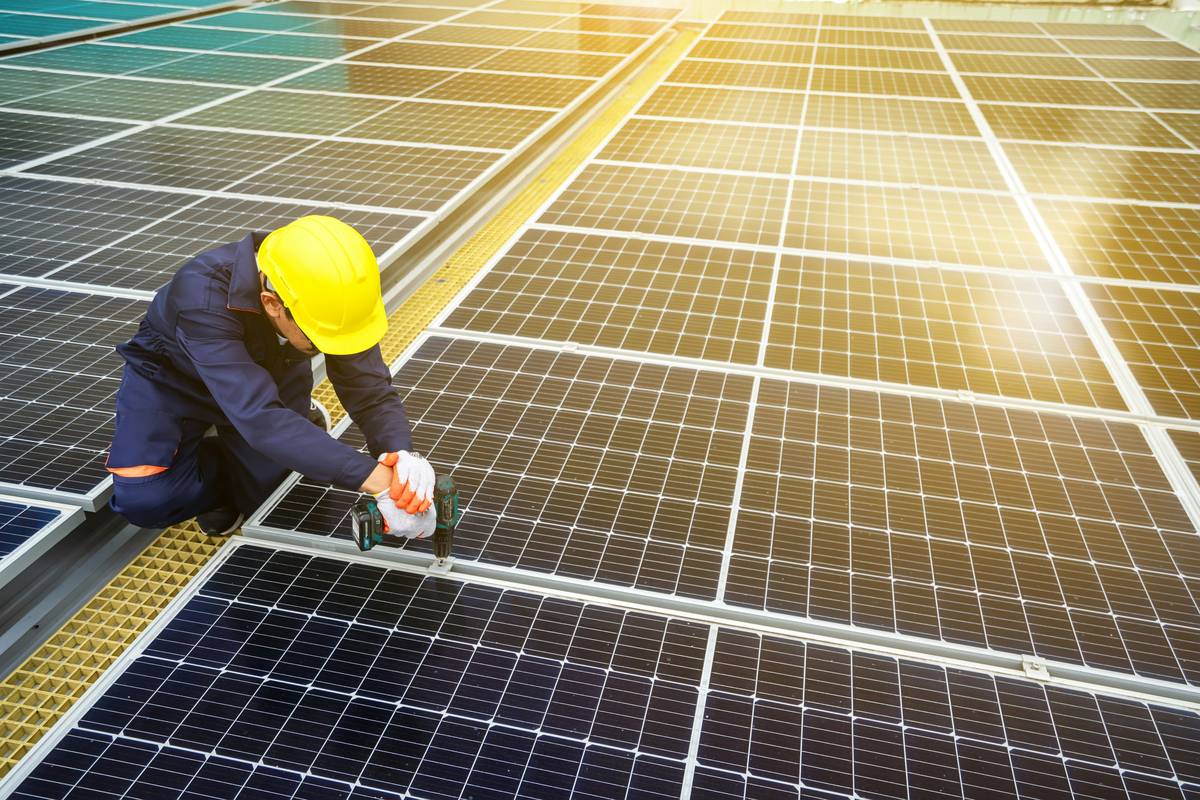
The Industry Secret: Connector Mismatch Causes More Failures Than Panel Degradation
Here’s the reality: Most “panel underperformance” calls we get at ATT Advanced Wireless Services trace back to connector incompatibility. Mixing brands—even if both claim MC4 compatibility—creates subtle impedance mismatches. Over time, this raises resistance at the junction by 15–30%. The math is simple: P = I²R. Higher R means more heat, lower output, and accelerated aging.
One client lost 11% system yield over 18 months—all from using Brand A male plugs with Brand B female sockets. Same specs on paper. Different metallurgy in practice. Always use connectors from the same manufacturer across the entire array. No exceptions.
FAQ
Can I reuse old solar panel wiring connectors?
No. Once mated and exposed to weather, the sealing gasket deforms. Reusing them compromises IP68 integrity. Always install new pairs.
Are MC4 connectors universal?
Only within the same brand ecosystem. Cross-brand mating voids warranties and increases fire risk due to tolerance stacking.
How do I test connector resistance?
Use a micro-ohmmeter across mated pairs. Readings above 0.5 milliohms indicate poor contact—replace immediately.