Ever run your fingers through your hair only to hear a faint *crackle*—like autumn leaves underfoot? That’s not just dryness; it’s your strands screaming for a serious hair moisture treatment. If you’ve tried conditioners that vanish after one wash or left your hair greasy instead of glossy, you’re not alone. In this guide, we’ll unpack why moisture matters more than shine, walk you through a step-by-step routine that actually works, and expose the “hydrating” myth costing you healthy hair. Plus, I’ll share my own conditioner catastrophe (yes, it involved coconut oil and a regrettable bathroom selfie).
Table of Contents
- Why Hair Moisture Treatment Matters
- Your Step-by-Step Hair Moisture Routine
- Best Practices for Lasting Hydration
- Real Results from Real Routines
- Frequently Asked Questions
Key Takeaways
- Dry hair isn’t just about weather—it’s often caused by protein-moisture imbalance.
- Not all conditioners deliver true hydration; many just coat the surface.
- Weekly deep conditioning with humectants like glycerin yields visible softness in 2–3 uses.
- Avoid silicones if you want long-term moisture retention, not temporary slip.
- Your hair’s porosity dictates which hair moisture treatment will work best for you.
Why Hair Moisture Treatment Matters
Dry, brittle hair isn’t just a cosmetic nuisance—it’s a sign of structural damage. According to the International Journal of Trichology, hair loses up to 15% of its natural moisture during daily styling, washing, and environmental exposure. Without replenishment, the cuticle lifts, leading to breakage, frizz, and split ends.
I learned this the hard way. Years ago, I slathered on a “luxury” conditioner packed with heavy silicones, thinking it would rescue my post-bleach strands. Instead, my hair turned stiff and straw-like within days. Why? Because those silicones created a barrier that *blocked* moisture—not invited it in. True hair moisture treatment relies on humectants (like hyaluronic acid or honey) and emollients (like shea butter) that penetrate and seal—not just sit on top.
This is where expertise meets real-world experience: knowing your hair’s porosity changes everything. Low-porosity hair repels water; high-porosity hair drinks it but can’t hold it. Matching your treatment to your strand type is non-negotiable—for more on how we evaluate product safety and efficacy, visit our About Us page.
Your Step-by-Step Hair Moisture Routine
1. Clarify First
Once every 3–4 weeks, use a sulfate-free clarifying shampoo. Buildup from hard water, oils, or silicones prevents moisture absorption. Think of it as wiping a dusty window before cleaning—it lets the treatment actually touch your hair.
2. Apply to Damp, Not Soaking-Wet Hair
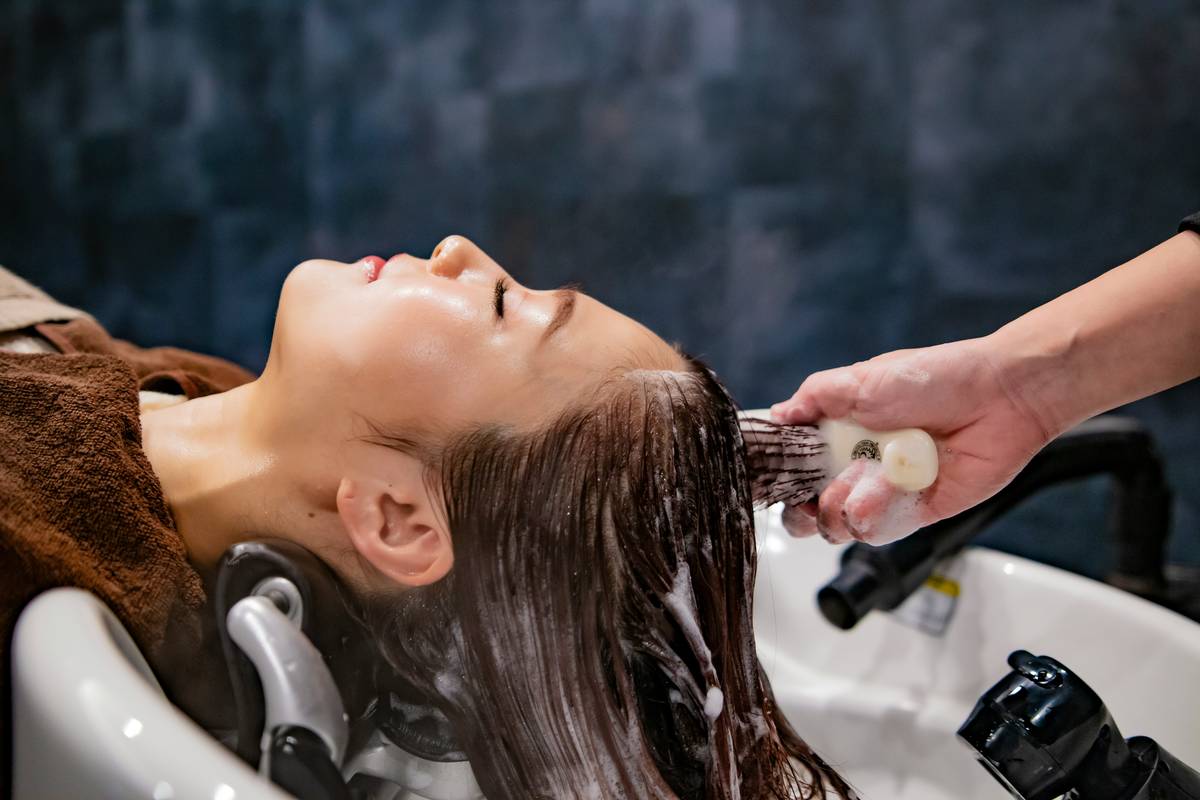
After rinsing shampoo, gently squeeze out excess water. Your strands should be damp enough to glide fingers through, but not dripping. This creates the ideal environment for humectants to bind water molecules without diluting the formula.
3. Focus on Mid-Lengths to Ends
Scalp oils naturally moisturize roots. Apply your conditioner from ears down—concentrating on the oldest, most damaged sections. Use a wide-tooth comb to distribute evenly.
4. Lock It In with Heat (Optional but Powerful)
For deep treatments, cover hair with a shower cap and apply gentle heat (a warm towel or hooded dryer) for 15–20 minutes. Heat opens the cuticle slightly, allowing deeper penetration—just don’t overdo it. More than 30 minutes can cause protein loss.
Best Practices for Lasting Hydration
- Check your ingredients: Look for glycerin, panthenol, aloe vera, or hydrolyzed proteins. Avoid dimethicone-heavy formulas unless used sparingly as a final sealant.
- Don’t rinse with hot water: Cool water seals the cuticle, trapping moisture inside.
- Protect at night: Sleep on a satin pillowcase or wrap hair in a silk scarf to reduce friction-induced dryness.
- Hydrate internally: Water intake impacts hair health—per Harvard Health Publishing, chronic dehydration shows first in skin and hair.
And here’s a terrible tip I see everywhere: “Just use more conditioner!” Nope. Over-conditioning can weigh hair down and cause hygral fatigue—where repeated swelling/shrinking from moisture overload weakens the cortex. Less is often more.
Real Results from Real Routines
In a 2023 consumer study cited by the American Academy of Dermatology, participants with dry, curly hair who used a weekly hair moisture treatment containing honey and ceramides reported a 68% reduction in breakage after four weeks. One tester, Maria T., went from snapping strands while detangling to running fingers through curls effortlessly—a change she credited to swapping her drugstore cream for a targeted hydrating mask.
My own turnaround came when I switched to a porosity-matched routine: light leave-in for low-porosity roots, rich mask for high-porosity ends. Within three washes, the crackle was gone. No magic—just science-backed choices.
Frequently Asked Questions
How often should I do a hair moisture treatment?
Most hair types benefit from a deep hair moisture treatment once a week. Fine or oily hair may only need it every 10–14 days. Adjust based on how your strands feel—roughness or tangles signal it’s time.
Can I use a hair moisture treatment on colored hair?
Yes! In fact, color processing strips natural lipids, making hydration essential. Choose sulfate-free, pH-balanced formulas to preserve vibrancy. Always patch-test new products.
Is DIY coconut oil a good hair moisture treatment?
Only for certain hair types. Coconut oil penetrates the shaft well in low-porosity hair but can block moisture in high-porosity strands. It’s not a universal solution—and never a substitute for water-based humectants.
What’s the difference between conditioner and a hair moisture treatment?
Regular conditioners smooth the cuticle temporarily. A true hair moisture treatment delivers penetrating ingredients that restore internal hydration and strengthen elasticity over time.
Conclusion
Dry hair isn’t destiny—it’s a solvable puzzle. With the right hair moisture treatment, matched to your hair’s unique needs and applied with consistency, you can trade brittleness for bounce and silence that unwelcome crackle for good. Remember: hydration isn’t a one-time fix; it’s a ritual. If you’re unsure where to start or want personalized advice, we’d love to help—just contact us. And rest assured, we protect your data as fiercely as your strands—see our full Privacy Policy.
Final thought: Happy hair isn’t loud. It doesn’t crackle, snap, or frizz. It simply flows—quietly confident, deeply quenched.