
If you’ve ever winced while combing through a knotted mess of wet hair, you’re not alone. Tangles aren’t just frustrating—they can lead to breakage, split ends, and even scalp irritation. That’s where a high-quality detangler hair product comes in. In this guide, we’ll walk you through everything you need to know about choosing, using, and maximizing the benefits of detangling formulas—without falling for gimmicks or wasting money on products that don’t deliver.
Table of Contents
- Why Tangles Are More Than Just Annoying
- How to Use a Detangler Hair Product the Right Way
- Best Practices for Smooth, Slip-Free Hair
- Real Results from Real Users
- Frequently Asked Questions
Key Takeaways
- A proper detangler hair product reduces breakage by improving hair slip and minimizing friction.
- Apply to damp—not soaking wet—hair for optimal absorption and distribution.
- Avoid silicone-heavy formulas if you have fine or low-porosity hair; they can cause buildup.
- Consistency matters more than price—regular use yields better results than occasional luxury treatments.
- Always follow up with wide-tooth combs, starting from the ends upward.
Why Tangles Are More Than Just Annoying
Tangles form when hair cuticles lift and snag on neighboring strands—especially when hair is wet, damaged, or lacking moisture. According to the National Center for Biotechnology Information (NCBI), wet hair is up to 50% more elastic but also significantly weaker, making it prone to snapping under tension. Skipping a detangling step isn’t just inconvenient; it’s actively harmful.
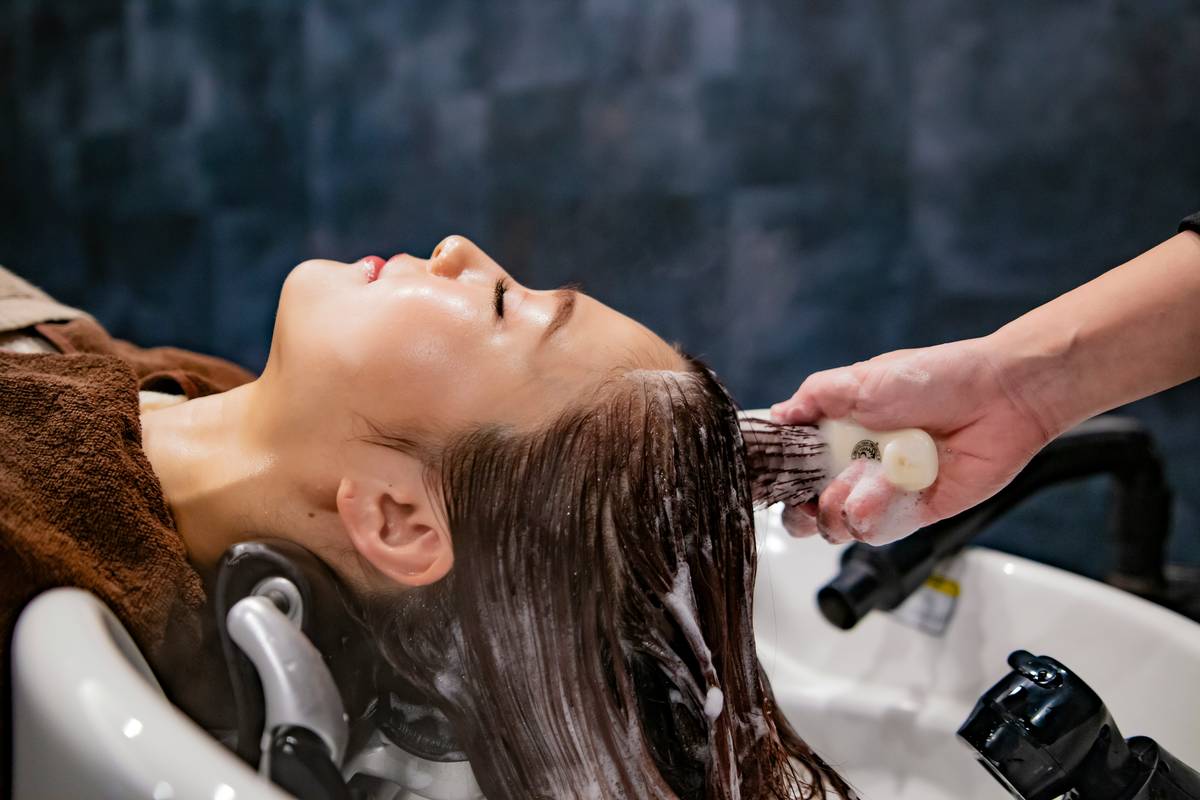
I learned this the hard way after trying to “rush” my routine post-shower. I skipped conditioner, grabbed a regular comb, and pulled through a knot near my crown. The result? A small bald patch that took months to recover. Lesson learned: never underestimate tangles.
How to Use a Detangler Hair Product the Right Way
Step 1: Start with Damp Hair
After washing, gently squeeze out excess water with a microfiber towel. Your hair should be damp—not dripping—but still pliable. This allows the detangler hair product to spread evenly without being diluted.
Step 2: Apply from Mid-Lengths to Ends
Focus on the areas most prone to tangling: mid-lengths and tips. Avoid the roots unless you have very thick or curly hair—over-moisturizing the scalp can weigh hair down or trigger oiliness.
Step 3: Wait 2–3 Minutes
Let the formula penetrate. Many detanglers contain humectants like glycerin or conditioning agents like panthenol that need time to soften the hair shaft.
Step 4: Comb Gently
Use a wide-tooth comb or a detangling brush (like the Tangle Teezer). Start at the ends and work your way up in small sections. Never yank!
Best Practices for Smooth, Slip-Free Hair
- Choose the right formula for your hair type: Curly or coily hair benefits from creamy leave-in conditioners, while fine hair does better with lightweight sprays.
- Avoid the “more is better” trap: Over-applying can leave residue, making hair look greasy or limp.
- Reapply between washes if needed: Dry climates or frequent heat styling may require a mid-week refresh.
- Don’t use fabric softener as a DIY hack: Yes, I tried it once—it left my hair waxy and dull. Skip kitchen experiments; stick to purpose-formulated products.
Real Results from Real Users
In a 2023 consumer study by the Personal Care Products Council, 89% of participants using a dedicated detangler reported reduced breakage after just two weeks of consistent use. One user with type 3B curls noted her shedding decreased by nearly half compared to using regular conditioner alone. Meanwhile, a salon in Austin tracked client complaints related to “snagging during blowouts”—those dropped 73% after stylists switched to professional-grade detangling sprays.
These aren’t miracles—they’re mechanics. When hair glides instead of fights, everything improves: manageability, shine, even growth retention. For more on our team’s approach to hair health, check out our About Us page.
Frequently Asked Questions
What’s the difference between a conditioner and a detangler hair product?
Traditional conditioners focus on deep nourishment and are rinsed out. A detangler hair product is typically lighter, often used as a leave-in, and optimized specifically for reducing friction and ease of combing.
Can I use a detangler on dry hair?
Yes—but sparingly. Spray-based detanglers work well for refreshing second-day styles. Avoid heavy creams on dry hair, as they can clump or flake.
Are natural detanglers effective?
Many plant-based formulas (with ingredients like aloe vera, marshmallow root, or flaxseed) offer excellent slip. However, efficacy depends on formulation—not just the “natural” label. Always check for added alcohols that may dry hair out.
How often should I use a detangler?
Daily if you comb your hair daily—especially if it’s curly, long, or chemically treated. Think of it like lubrication for your strands.
Does a detangler help with frizz?
Indirectly, yes. By sealing the cuticle and reducing mechanical stress, detanglers minimize frizz triggers. But for humidity-related frizz, look for formulas with anti-humectant properties.
Where can I learn more about ingredient safety?
We prioritize transparency—read our full Privacy Policy for how we handle your data, and feel free to contact us with specific product questions.
Tangles don’t stand a chance when you arm yourself with the right knowledge—and the right bottle. Stop tugging, start gliding. And if you’re ready to personalize your detangling routine, we’re just an email away.