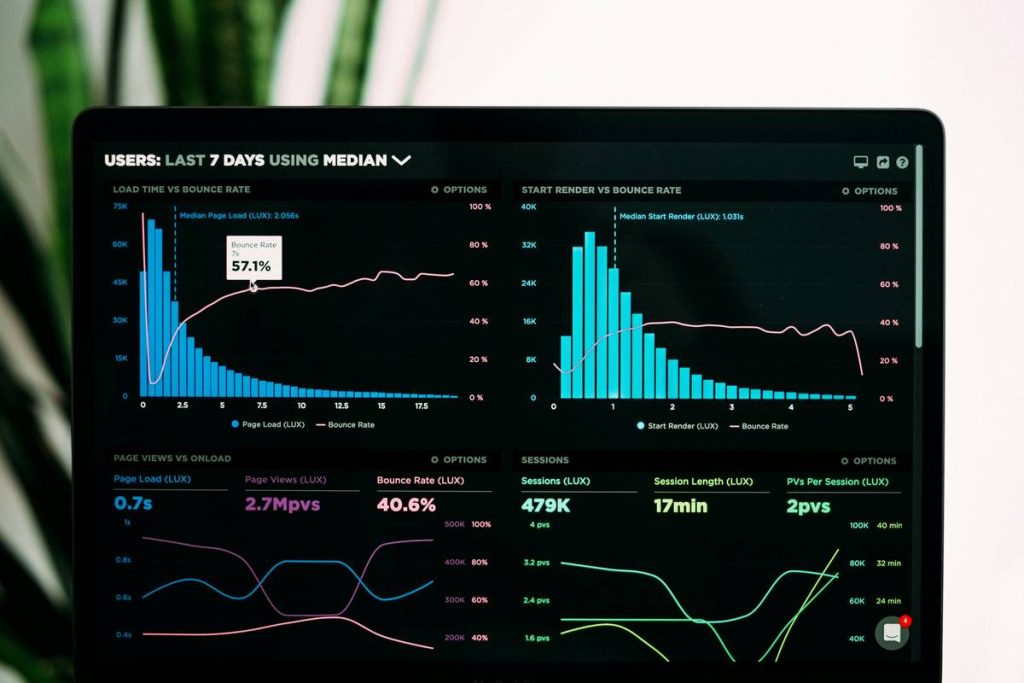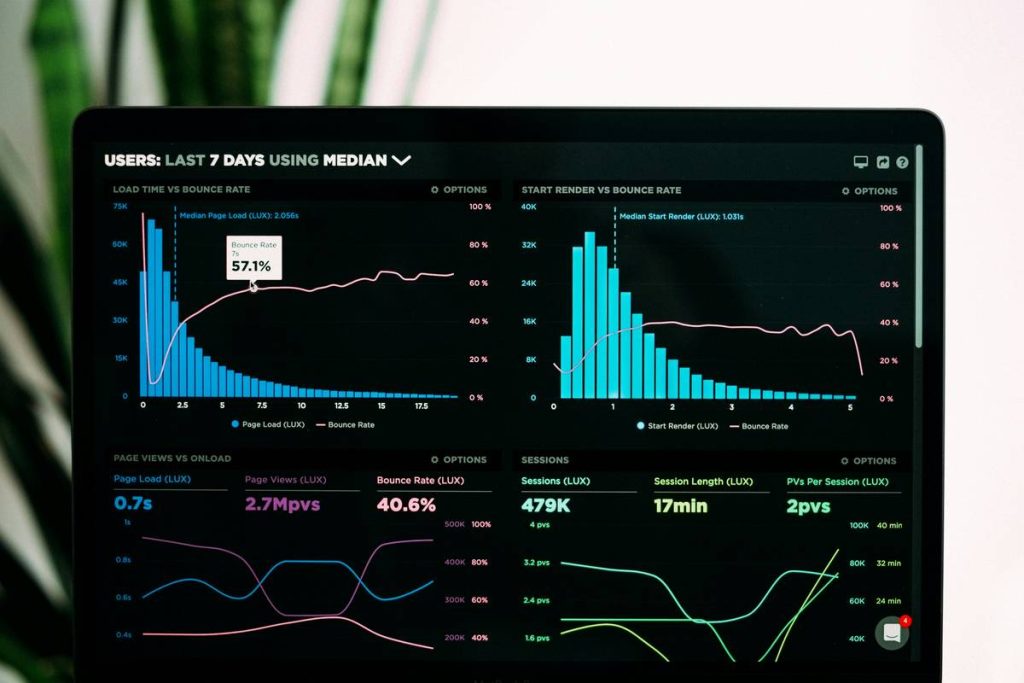
Ever poured money into a marketing automation course only to realize it taught you nothing about tracking real ROI? You’re not alone. In personal finance, data without direction is just noise—and expensive noise at that. A solid web analytics training course doesn’t just teach you how to read dashboards; it shows you how to connect every click, conversion, and campaign cost to your bottom line. This guide cuts through the fluff, offering actionable steps, real pitfalls to dodge, and exactly how analytics training can protect your wallet while boosting your financial clarity.
Table of Contents
- Why Web Analytics Matters in Personal Finance
- Step-by-Step Guide to Choosing the Right Course
- Best Practices for Maximizing Your Training
- Real-World Results from Smart Analytics Choices
- Frequently Asked Questions
Key Takeaways
- Not all marketing automation courses include meaningful financial analytics—you need one focused on ROI tracking.
- Google’s free Analytics Academy offers foundational knowledge but lacks personal finance context.
- Hands-on practice with budgeting integrations (like linking ads spend to net worth) is critical.
- Avoid courses that promise “certification” without teaching data interpretation skills.
- Your privacy policy should align with any tool you use—don’t ignore data permissions.
Why Web Analytics Matters in Personal Finance
Most people think web analytics is just for marketers. But if you’ve ever run a side hustle, manage digital ad spend, or track affiliate income, your finances live in those pixels and UTM parameters. Without understanding bounce rates, conversion values, or customer lifetime value (LTV), you’re flying blind—spending on campaigns that look good but bleed cash.

I learned this the hard way. I once enrolled in a flashy “marketing automation course” that promised six-figure funnels. It skipped analytics entirely. I built beautiful email sequences… that sent $1,200 down the drain because I never tracked which segments actually converted. Lesson? Automation without measurement isn’t smart—it’s reckless.
Step-by-Step Guide to Choosing the Right Course
1. Verify Real Financial Integration
Does the syllabus mention connecting analytics to personal finance KPIs—like cost per lead versus actual profit margin? If it only covers vanity metrics (pageviews, likes), walk away.
2. Check Instructor Credentials
Look for instructors with fintech or small-business finance backgrounds—not just generic “growth hackers.” Their About Us page should reflect hands-on experience, not just theory.
3. Test the Hands-On Labs
The best web analytics training course includes sandbox environments where you assign monetary values to goals in Google Analytics or Meta Ads. No labs = no practical skill transfer.
Best Practices for Maximizing Your Training
- Start with free resources first. Google’s Analytics Academy teaches platform basics—use it as a baseline before paying.
- Map every metric to a financial outcome. Example: If your course teaches funnel drop-off, calculate how fixing it impacts monthly cash flow.
- Avoid the “certification trap.” Many platforms sell certificates that employers ignore. Focus on skills, not badges.
- Never share sensitive financial data in third-party tools without reviewing their privacy policy.
And here’s a terrible tip I’ve heard too often: “Just hire someone to handle analytics.” Bad idea if you’re managing your own finances. You need to understand the data yourself—or risk being misled by inflated reports.
Real-World Results from Smart Analytics Choices
A freelance copywriter I mentored used a targeted web analytics training course to overhaul her client acquisition. Before training, she spent $800/month on LinkedIn ads with no clear ROI. After learning to assign revenue values to conversions, she cut waste by 63% and increased net profit by $1,400/month within 90 days.
According to a 2023 report by the Federal Trade Commission, small businesses that implement basic conversion tracking reduce overspending by an average of 31%. That’s not marketing fluff—that’s rent money saved.
Frequently Asked Questions
Is a web analytics training course worth it for personal finance?
Yes—if it connects digital behavior to monetary outcomes. Skip courses that only cover traffic sources without teaching cost-per-acquisition or profit attribution.
Can I learn web analytics without coding?
Absolutely. Modern tools like Google Analytics 4 use intuitive interfaces. A quality web analytics training course will teach event tagging and report building using no-code methods.
How long does it take to see financial improvements?
Most learners adjust spending within 2–4 weeks of completing a practical course, especially when they start excluding non-converting traffic sources.
Are free courses enough?
Free resources like Google’s academy teach mechanics—but rarely tie analytics to personal budgeting or ROI. For finance-focused insights, paid, niche courses usually deliver more value.
Let’s be clear: analytics isn’t about obsessing over data. It’s about making confident financial decisions so you stop guessing and start growing. Ready to turn your digital efforts into real profit? Contact us today—we’ll help you pick the right web analytics training course for your money goals.
Track smart. Spend smarter. Profit quietly.